From the Roar of the Vuvuzelas to the Reformer: Why Pilates is a Game-Changer for Soccer Players


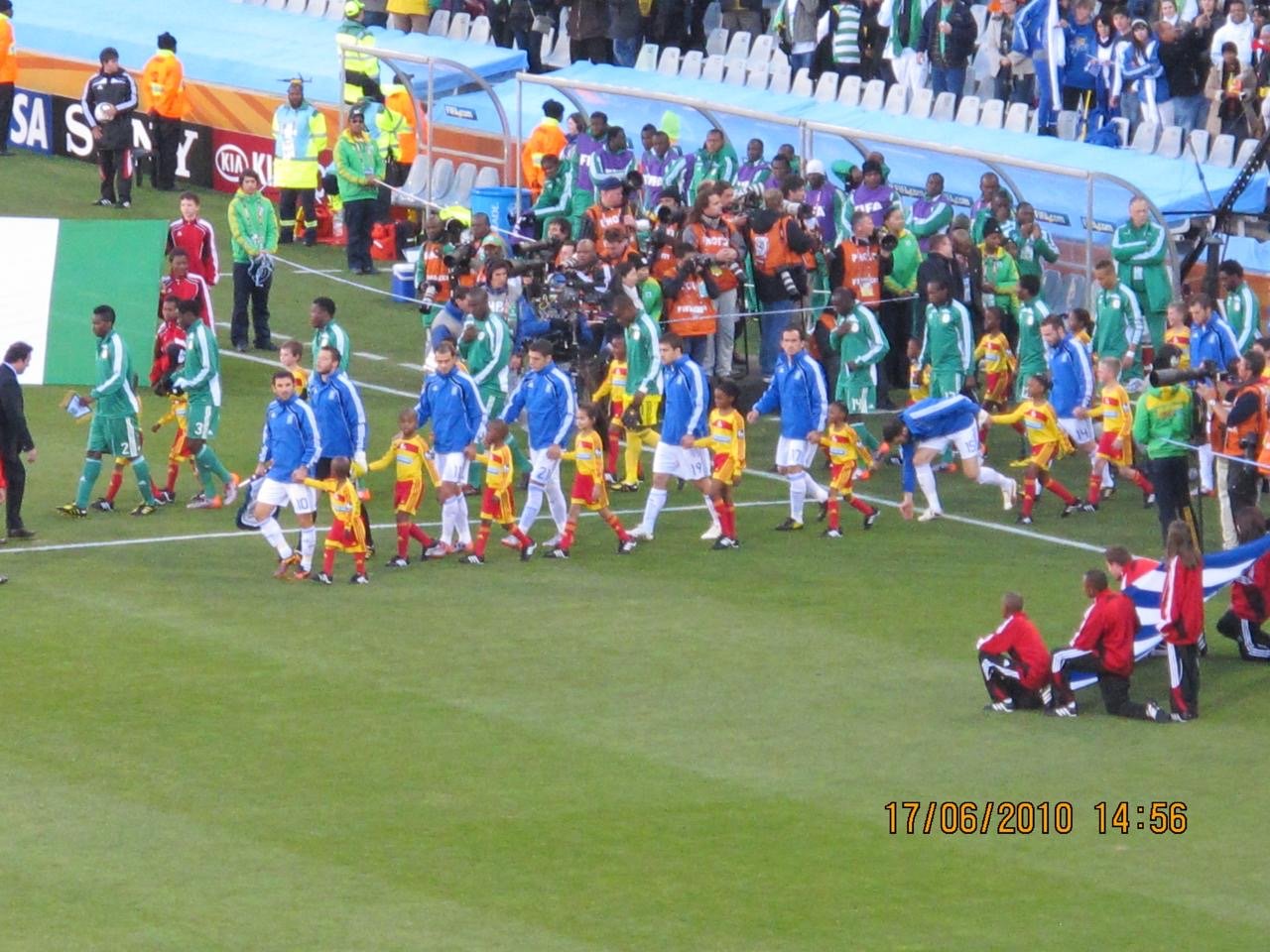
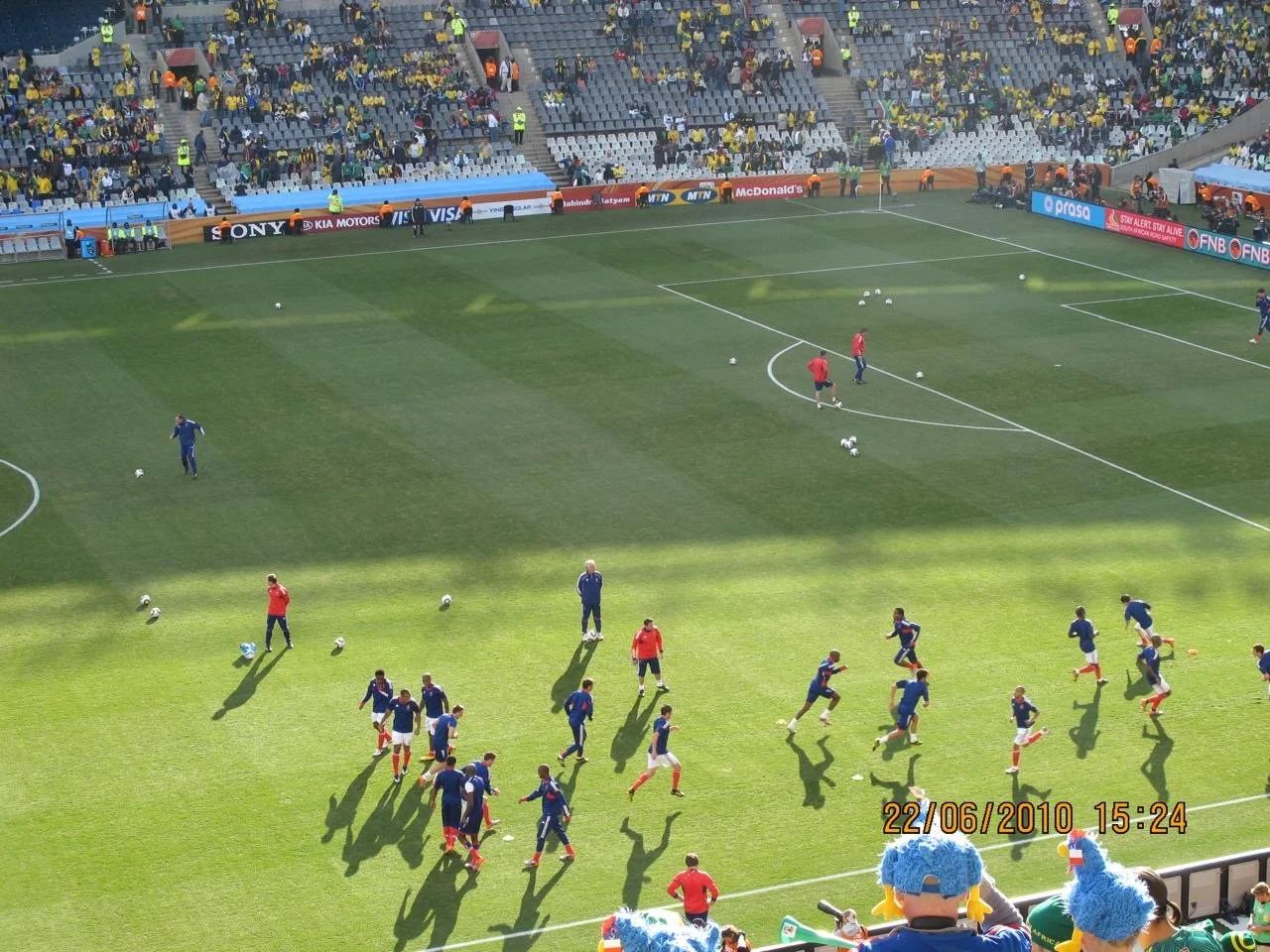
For many South Africans, the 2010 FIFA World Cup was more than just a sporting event, it was a moment that united an entire nation.
The streets were alive with the sound of vuvuzelas, flags flew proudly from car windows, and every match felt like a celebration. The atmosphere was electric. For a young South African girl watching from the stands or the television screen, the experience was nothing short of magical. Seeing the world's greatest footballers compete on home soil sparked a fascination with elite athletes, movement, and human performance that would last a lifetime.
The tournament showcased not only incredible skill and passion but also the physical demands placed on elite footballers. Behind every sprint, tackle, turn, and goal was an athlete who had spent countless hours preparing their body to perform at the highest level.
Today, one training method has become increasingly popular among footballers looking to gain an edge: Pilates.
Football Players Need More Than Strength Training
Football is one of the most physically demanding sports in the world. Players must combine:
Explosive speed
Agility and quick changes of direction
Balance and coordination
Endurance
Core strength
Flexibility
Injury resilience
Traditional strength and conditioning remain essential, but many players discover that gym work alone does not address mobility restrictions, muscle imbalances, postural issues, and movement efficiency.
This is where Pilates excels.
Developed by Joseph Pilates, the method focuses on controlled movement, core stability, flexibility, balance, breathing, and body awareness. Rather than simply building bigger muscles, Pilates teaches the body to move more efficiently.
The Key Benefits of Pilates for Football Players
1. Improved Core Strength
Every football action starts from the centre of the body.
Whether striking a ball, shielding an opponent, jumping for a header, or changing direction at speed, a strong core helps transfer force effectively between the upper and lower body.
Pilates targets the deep stabilising muscles of the abdomen, lower back, pelvis, and hips, creating a strong foundation for athletic performance.
2. Enhanced Balance and Stability
Football is often played on one leg.
Players frequently find themselves balancing while kicking, tackling, landing, or changing direction. Pilates challenges stability through controlled exercises that improve proprioception (the body's awareness of position and movement).
Improved balance can lead to better ball control, quicker reactions, and reduced injury risk.
3. Greater Flexibility and Mobility
Tight hips, hamstrings, and lower backs are common among footballers.
Pilates promotes active flexibility while improving joint mobility. This allows players to move more freely and efficiently while reducing excessive strain on muscles and joints.
Research and coaching practice consistently show that improved mobility contributes to more efficient movement patterns and can help reduce injury risk.
4. Reduced Injury Risk
Football players experience high rates of:
Hamstring strains
Groin injuries
Lower back pain
Knee injuries
Ankle problems
Pilates helps identify and address muscular imbalances while strengthening smaller stabilising muscles that are often neglected during traditional training. Improved movement quality and body awareness can help athletes maintain better mechanics throughout training and competition.
5. Faster Recovery
Modern football schedules are relentless.
Pilates provides a low-impact training option that promotes circulation, mobility, muscle activation, and recovery without placing additional stress on the body.
Many elite athletes use Pilates as part of their recovery routine to maintain performance throughout a demanding season.
6. Improved Breathing and Endurance
A fundamental principle of Pilates is breath control.
Learning to breathe efficiently can help players maintain composure under pressure, improve oxygen delivery during exercise, and support recovery between high-intensity efforts.
Some Elite Football Players Who Use Pilates
Pilates is no longer viewed as something reserved for dancers or rehabilitation settings. Many of the world's top footballers have incorporated it into their training.
David Beckham
Perhaps the most famous football advocate of Pilates is David Beckham.
After being introduced to Pilates during his time at AC Milan, Beckham became a devoted practitioner.
He famously stated:
"I do an hour of Pilates a day. It is fantastic, and fitness-wise I am the best I have been for a long time."
Beckham credited Pilates with helping him achieve some of the best physical condition of his career and continued practicing it long after retirement.
Cristiano Ronaldo
Widely regarded as one of the fittest athletes in football history, Cristiano Ronaldo has incorporated Pilates into his overall training programme alongside strength work, recovery sessions, and mobility training.
Reports on his training routines frequently highlight Pilates as one of the tools he uses to maintain flexibility, core strength, movement efficiency, and longevity throughout his career.
Ryan Giggs
Ryan Giggs enjoyed one of the longest careers in professional football, playing at the highest level well into his late thirties.
Pilates formed part of his approach to maintaining mobility, reducing injury risk, and extending his playing career.
Gareth Bale
Known for his explosive speed and athleticism, Gareth Bale has also been listed among elite footballers who use Pilates to complement traditional training methods.
Why Modern Football Is Embracing Pilates
Football has evolved dramatically over the past two decades.
Players are running further, sprinting more frequently, and competing in increasingly congested schedules. Clubs are constantly searching for methods that improve performance while reducing injury rates.
Pilates offers a unique combination of:
Strength
Mobility
Stability
Coordination
Recovery
Injury prevention
Many professional clubs now incorporate Pilates-based exercises into their conditioning programmes because they understand that athletic performance is not just about producing force, it's about moving efficiently.
Final Whistle
The footballers who inspired South Africa during the unforgettable 2010 FIFA World Cup demonstrated incredible athleticism, skill, and resilience. While fans marvelled at the goals and celebrations, much of that success came from meticulous preparation behind the scenes.
Today, Pilates has become one of the most effective tools available to footballers looking to move better, recover faster, and perform at their highest level.
Whether you're a professional player, a weekend warrior, or a young footballer dreaming of representing their country one day, Pilates can help build the strong, balanced, and resilient body needed to thrive on the pitch.
After all, great football isn't just about how hard you train; it's about how well your body moves.